How a Skeptic Turned Transgender
A cautionary tale of dogmatism and mental contagion
Ryan Sereno
20 hr ago
It has been over a year since I detransitioned.
I lived as a trans woman for almost four years.
I am an otherwise skeptical and rational person.
I had no history of mental illness or behavioral disorders aside from teenage depression.
How did I get here?
Self Diagnosis:
In 2017, at the age of 23, I stumbled upon the stories of transgender individuals.
They talked about their-life long internal struggles.
How they were not able to connect with others, especially those of the same biological sex.
They talked about how transitioning- wearing clothes of the opposite sex, taking hormones, having surgeries, changing their voices and mannerisms- had finally relieved their internal conflict.
A weight had been lifted off of them.
They had become the happiest they have ever been in their lives.
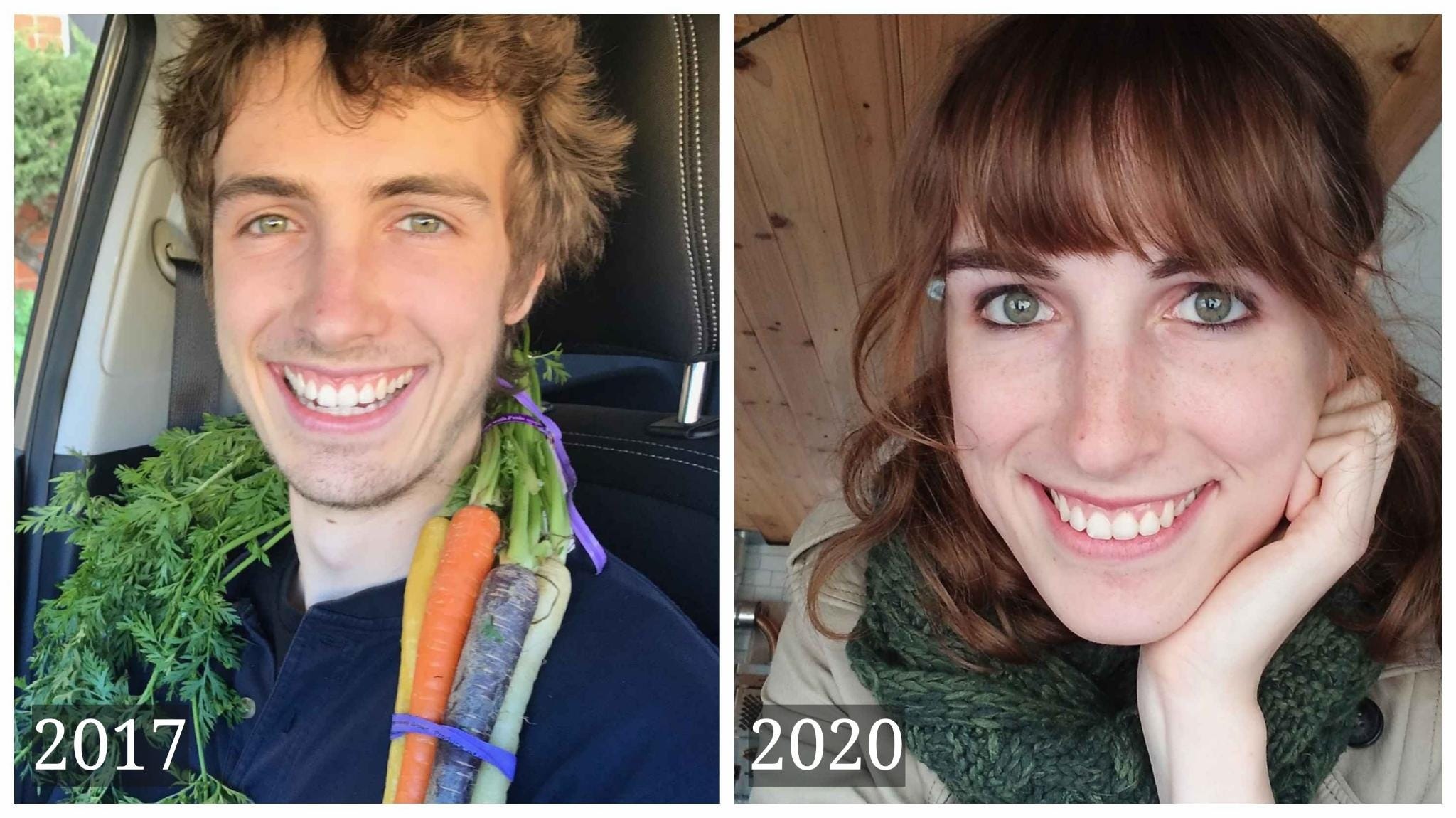
Then I found their 'transition timelines'- photo montages of their before and after transformations; before hormones vs after 2/3/4 years on hormones.
Their results were surprising and intriguing.
I couldn't believe that people could change their bodies and lives in such a drastic way.
It made me feel curious, excited, and anxious.
It made me feel RIGHT, in an unexplainably primal and fundamental way.
I had struggled with body image issues since my teens, and the idea of feminizing my body felt so appealing.
I could totally abandon the need to be masculine, and become someone completely different.
Or rather, as I believed at the time, become the person I was MEANT to be.
These online forums provided all of the confirmation bias I needed- endless anecdotes of successful transitions, scientific articles confirming the benefits, affirmation and support, resources for finding medical providers.
These all formed overwhelming evidence to support this decision.
This sent me into a year long questioning phase; weighing the benefits (genuine happiness) and the consequences (abandoning a normal life).
I become distraught, started analyzing my body, taking selfies to see how well I could pass as a woman.
After a year of questioning, I had gotten no closer to an answer, so I decided to do a trial period of hormones for 3 months and see how I felt.
The Transition:
Getting cross-sex hormones is an incredibly easy task in most states.
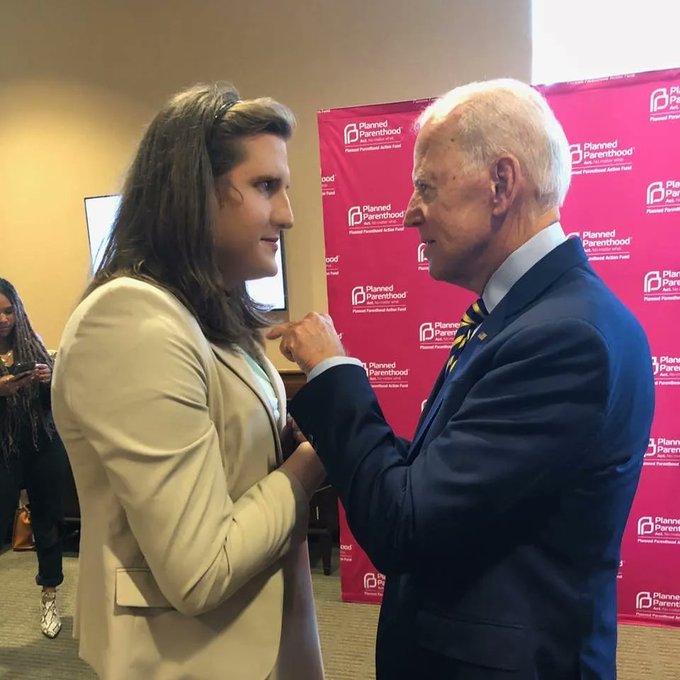
I had a brief appointment at a Planned Parenthood and had my first prescription filled within a matter of days, no questions asked.
I began taking the hormones with the goal of observing how I felt and determining if it was the best course of action for me.
What I did not realize at the time is that most people who start cross-sex hormones, will not stop taking them.
As with other mental illnesses, it is a reinforcing loop.
Behaviours that feed into the illness will strengthen its grasp over the individual.
Though it is not the same as an addiction.
Estrogen does not produce acute euphoria like an opioid.
We do it more out of neurosis than habituation- those who struggle with self harm or bulimia will understand this concept better than most.
Because of this, I did not stop taking the hormones at the 3 month mark.
I felt too happy to stop.
It was changing my body, and I was changing my clothes and mannerisms.
I wasn't addicted to the drug, I was addicted to becoming a new person.
A person 'I always wanted to be'.
Life as a Transwoman:
After a year of taking hormones and growing out my hair, I had become more comfortable with presenting myself as a woman.
At the year and a half mark, I was living this way full time.
I was living in a new city where not many people knew me, so it was easy to introduce myself to people with my new identity.
I was incredibly happy and completely enthralled by my new identity; my new body.
Transition was everything it had been sold as.
Looking in the mirror made me happy, and my new emotions and mental state seemed so genuine and congruent with who I wanted to be.
I knew I would never go back to being the person I was before transition.
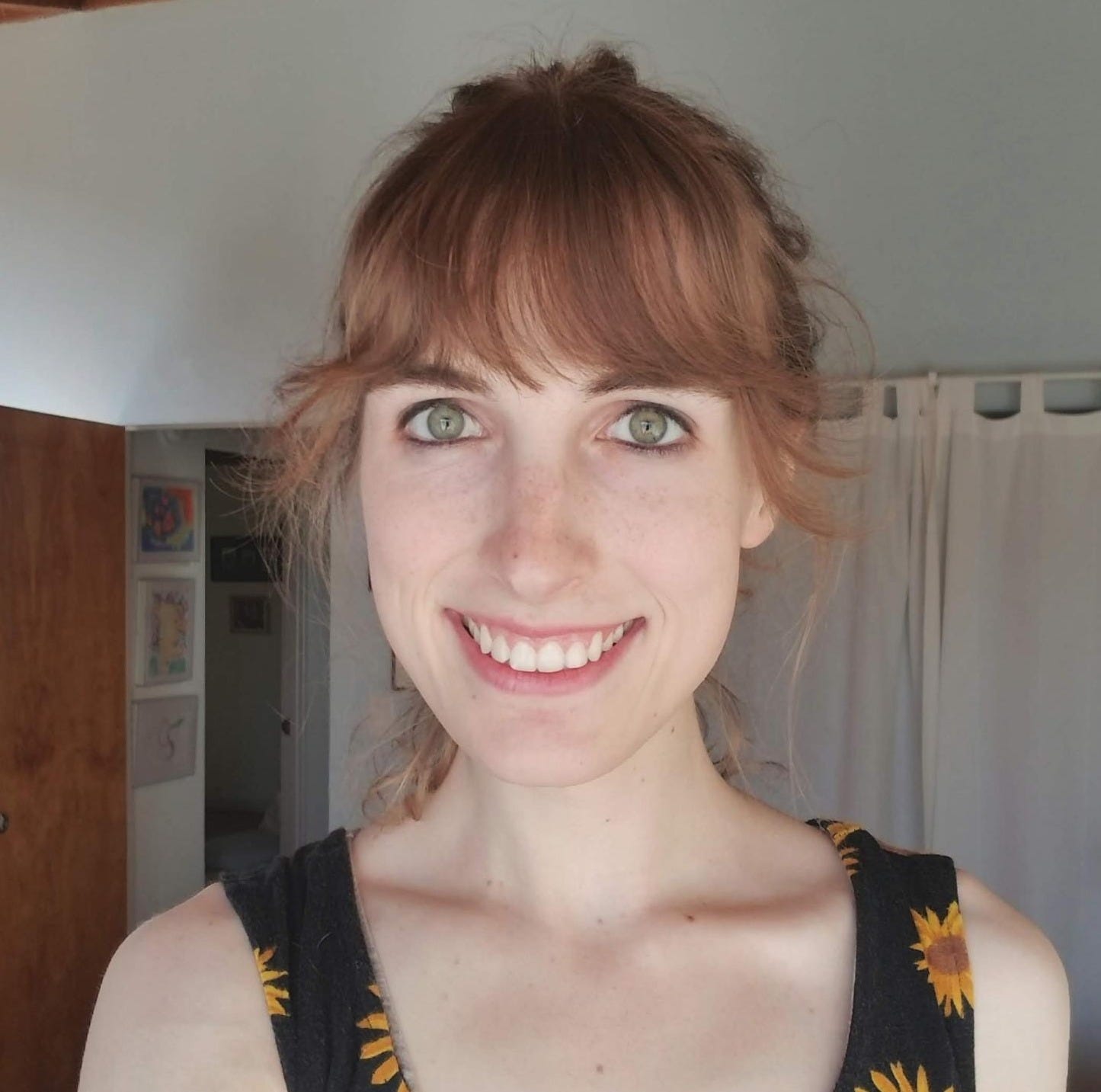
During most brief interactions with people, I probably appeared to be just another woman.
 2020
2020
But, despite my happiness, my paranoia was ever present.
I feared being found out.
I hated my voice.
I couldn't look up at the birds or sky out of fear of people seeing my adam's apple.
I hated using public restrooms.
I detested social gatherings.
I couldn't leave the house without being perfectly presentable.
But I continued forward, because I really thought I was happy with myself at least.
But my happiness was also very delicate.
It could be destroyed by a glance at my reflection or seeing a photo someone took of me.
My body dysphoria was stronger than ever before and it sent me into periods of deep sadness.
I thought that cosmetic surgery could fix my unhappiness, but that was so against my personal values that it was difficult to seriously consider it.
Yet despite the periods of unhappiness, I thought I was mostly content and that I would always live this way.
Questioning and Clarity Begin to Return:
At the age of 27 I had been on cross-sex hormones for about three years.
During that year
I began to question the idea of taking synthetic hormones for the rest of my life.
Standing in the pharmacy line every month with sick people, knowing I myself am not actually sick, was often a brief moment of clarity.
At this point, I also felt myself mentally maturing, and I had been with my fiancée for over 7 years.
The thought of having children one day became more prominent.
The implications of this weighed on my mind.
I wanted to have a long life with my family, but the hormones I was taking could potentially jeopardize that.
I was tasked with what felt like an impossible decision- detransitioning and having kids but being forever unhappy or choosing the happiness of transition with the risk of health complications.
Ultimately, I decided that these were terrible options and I refused to accept them.
I refused the notion that I had to be unhappy for the rest of my life if I detransitioned.
I refused the accept the LGBT rhetoric that transition is the only path to happiness.
Through this period of questioning, I realized transition had taken more from my life than it had given me
It had taken my ability to have normal social relationships,
my freedom from big pharma, and my mental peace.
I also began analyzing the research supposedly supporting the gendered brain hypothesis- the concept that transgenderism is caused by a male brain in a female body and vice versa.
I found that the research is not as conclusive as the trans community describes it as.
I began to focus more on the health of my body than its appearance.
I returned to my practice of zen and meditation, reminding myself that my body will grow old and decay and that it has no meaningful control over who I am as a person.
My final year of transition and the following months of detransition were incredibly challenging.
I experienced a lot of personal growth and got my life and mental clarity back.
It has now been over a year since I detransitioned, and I am exceptionally grateful for finding my way back to reality.
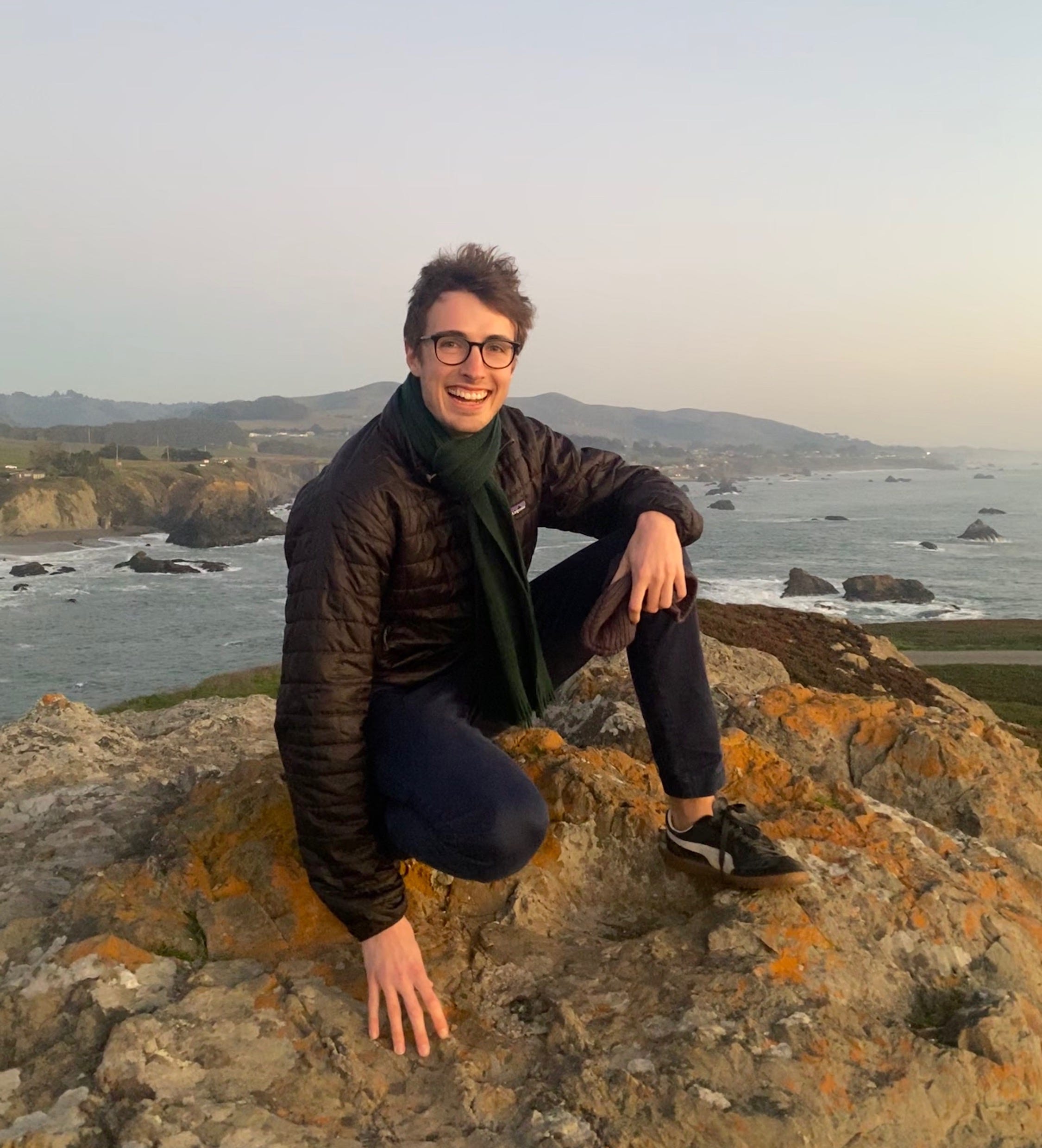 2022
2022
Wisdom and Hindsight:
The fallacy of writing this story is that hindsight is 20/20
I can now tell this story with clarity, but it gives the false notion that I could have had clarity when I was going through it.
In reality, I was deeply entrenched in a mental illness and I would not have had the ability to understand my thoughts that I have now.
A depressed person cannot escape their depression through objective reasoning alone.
It often takes a long period of effort and healing.
The same goes for gender ideation.
Although the trans community can operate like a cult, I don't believe that it is the only factor necessary for gender ideation to spread.
I was not heavily involved in the trans community.
My online interaction was very limited after my initial year of questioning.
The thoughts become self perpetuating, like a mental virus.
The contagiousness of gender ideation is more similar to bulimia and suicidal ideation than it is to cult programming.
When a population is exposed to bulimic behavior or suicidal thoughts, those behaviors can become mimetic or 'contagious'.
Gender ideation spreads in the same way.
It does not need a malevolent force to disseminate it, nor does it need social media.
The very nature of the human mind allows for these disorders to take hold.
Although media, politicians, medical practitioners, and academics promote gender ideation, they cannot be blamed for the underlying psychophysiology that enables it.
Nor can transgender individuals be blamed for the feelings they have.
--
The most important wisdom I've gained from this experience is to diligently avoid dogmatic thinking.
If I was more dogmatic and steadfast with my beliefs, I may still be living as a transwoman.
This applies to any of our preconceived notions whether they be political or personal.
Audit your beliefs often and without restraint.
Find their origin, and measure their merit.
Be attached to no idea.