JAKE FRIEDLER
The Gentrification of Standing Rock
As allies flooded in, indigenous leadership was increasingly drowned out in a sea of noise.
 Jake Friedler visited Standing Rock Indian Reservation in November 2016. These are Friedler’s observations from that time. Since then, the Trump Administration made it clear that construction of the Dakota Access pipeline would not be halted, and it may be in use as soon as this month.
SOMETIME IN MID-OCTOBER, a school bus full of New Orleanians pulled into Oceti Sakowin, the largest of the prayer camps at Standing Rock. It was followed by a truck hauling poles for a forty-foot tipi. They raised their shelter at the western edge of camp, near the tent of a Lakota elder named Grandma Redfeather. They came to stand in solidarity against the Dakota Access Pipeline, which threatens the waters of the Lakota people as well as millions who live downstream.
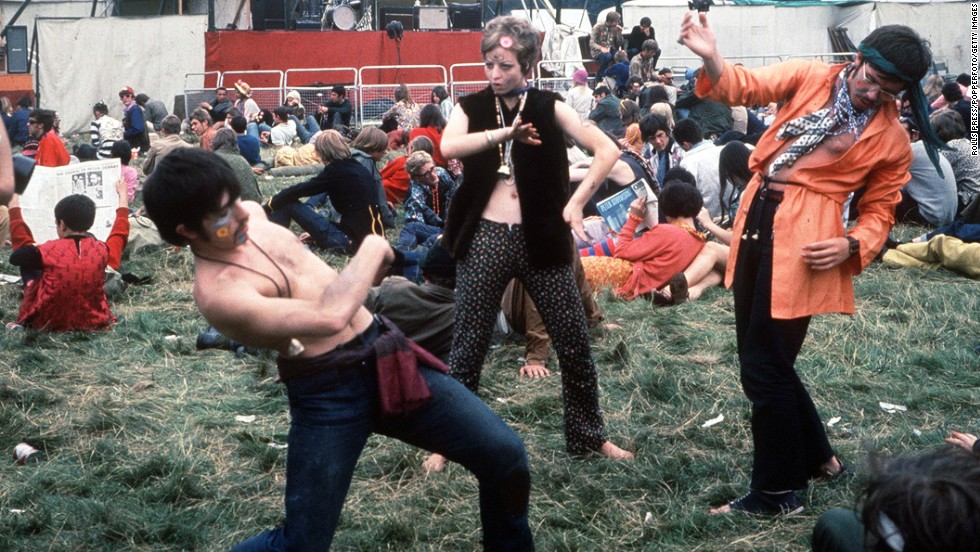
The bus and the tipi were owned by white folks from the Rainbow Family, a loose network of hippies united by utopian principles. Through the free gatherings they host on public lands around the world, the Rainbow Family practices various forms of counterculture. These particular Rainbows had been serving food for flood victims in western Louisiana when they heard about the prayer camps in North Dakota. They stopped in New Orleans, where they picked up some locals: Creole folks, Mardi Gras Indians, white allies, Choctaws from Louisiana, and others of indigenous descent. The Rainbows and the New Orleanians journeyed together to Standing Rock.
While they were setting up camp, some indigenous elders came by to offer advice. Many had never seen such a tall tipi, and they wanted to make sure it stood strong. The Rainbows refused help. They’d slept in this thing at plenty of gatherings, where they’d dug latrines, built fire pits, and run kitchens outside. They knew what they were doing—and soon enough, they promised, they’d be serving food for everyone.
Lit by a fire inside, the giant tipi became a social melting pot, where people of all skin tones came to eat gumbo and learn songs like “Li’l Liza Jane.” The eclectic delegation from New Orleans became known as “the tribe of the Gumbo Ya-Ya.” They connected with Grandma Redfeather, who knew some of the Rainbows from attending their gatherings. One of the original members of the American Indian Movement, Grandma Redfeather took up arms against the government in the 1973 occupation of Wounded Knee and hasn’t stopped fighting since.
The Gumbo Ya-Ya stayed for a few days, trading stories and songs, and left on the night of a full moon. The Rainbows and their tipi stayed behind.
As the full moon rose, the night was alive with drumming and yelps. A group of women and Two-Spirits from the Ojibwe tribe led a moon ceremony. It was a moment for the many different peoples at Standing Rock to come together and heal. The suppression of their efforts to protect the river was the latest trauma in a long history of colonial violence.
The next morning began with a fierce wind, which Grandma Redfeather said was going to blow some bad energy out of camp. Not two hours later, a cry went up around the spirit fire at the center of Oceti Sakowin: the giant tipi’s coming down!
The winds had torn the canvas flaps where the tipi poles come together, threatening the entire structure. Some Natives rushed over to try to help, taking hold of the canvas and explaining how the tipi might be saved. Once again, the Rainbows didn’t listen. They insisted on handling the crisis alone. Soon, their canvas was ripped all the way around, leaving only the poles standing. It looked like a giant ribcage.
The Rainbows packed their stuff and were gone from camp by nightfall. Nobody asked them to leave; they just couldn’t find their place.
THIS STORY WAS RECOUNTED TO ME by my friend Sal, a mystic of Sicilian and Navajo descent. He arrived at Standing Rock with the Gumbo Ya-Ya but remained with the Rainbows after the others returned to New Orleans. When the tipi fell, Grandma Redfeather rolled up in her Subaru and told Sal to come camp with her. She adopted him, and he became her right-hand man.
A LAKOTA PROPHECY SAYS that a black snake would cross the land, causing great destruction and threatening the balance of life. The Dakota Access Pipeline, a long and snaking beast that would pump oil across the continent, is the black snake, and the Lakota, who started the prayer camps on their treaty lands at Standing Rock, will be remembered as the ones who cut it at the head.
Sal said that the rivers are the blue snakes. As the capitalists would have it, oil pumped through this pipeline would eventually reach refineries at the mouth of the Mississippi: the black snakes and blue snakes intertwined, wrestling. Sal invited me to accompany him and Dezy, a friend from New Orleans, on a road trip back to Standing Rock. We would be joined by my friend Cole, who drove out from California.
Our mission was to help winterize Camp Dancing Horse, the camp started by Grandma Redfeather within Oceti Sakowin. “Oceti Sakowin” is the proper name of the Seven Council Fires that unite the Lakota and Dakota people, sometimes known as “the Great Sioux Nation.” Grandma Redfeather started Camp Dancing Horse many years ago on her land in Wounded Knee, South Dakota and moved it up to Standing Rock in the summer, just as Oceti Sakowin and the other prayer camps were taking shape. Now winter was approaching, and Sal, Dezy, Cole, and I hoped to build Grandma a yurt so she and her family could see the protest through.
I devoured a series of orientation packets put out by Solidariteam:
Add more resources to the camp than your presence will use up.
When you are with indigenous people, listen more than you speak.
Practice noticing and regulating how much space you take up.
Impact is more important than intention.
We left New Orleans on a Monday and drove through the night, continuing north on Election Day. We drove through South Dakota and on to the Standing Rock Reservation in the black of night, as the radio relayed election returns that sounded like an awful dream. After crossing seven red states, we finally made it to Oceti Sakowin, and it felt like the safest place we could be. I fell asleep in a tipi, unsure how any of this could be real.
Daybreak brought some confirmation. The camp, which seemed so small at night, was splayed all around us in the morning, a vast sea of tipis, tents, and cars flowing across the flat expanse of plains. Camp Dancing Horse was at eastern edge of Oceti Sakowin, close to the sunrise and where they kept the horses. I later learned that though many of these horses were still being broken, they were allowed to roam freely. Proud creatures, chestnut and dappled, walked themselves past our camp at all hours of the day.
To the west of us was the camp’s center, marked by a trail of variegated flags. Standing tall on behalf of hundreds of tribes and nations, those flags were always flapping in the wind. South of us was the Cannonball River, a tributary of the Missouri, where each morning some indigenous women led the camp in a ceremony to honor and bless the water.
We went down to the river on our first morning and watched as the women sang water songs, then made offerings of water to the river. Dezy and I joined the men in coming forward to offer tobacco. Sal identifies as Two-Spirit, a term used by some tribes to describe a person who embodies both masculine and feminine spirits. He was invited to offer both water and tobacco. Cast in the early light of a sun still low on the horizon, the ceremony was beautiful from start to finish. When it was over, I heard one Native woman tell another that it was the largest water ceremony she’d seen.
“Where did all these people come from?”
GRANDMA REDFEATHER WAS AWAY from camp when we arrived. We spent that first day meeting our neighbors, many of whom Sal already knew. Camp Dancing Horse was, for the moment, inhabited by a bunch of white hippies, half of them with dreadlocks. They told us they were part of the Rainbow Family. Some knew Grandma from Rainbow Gatherings, but most had found their way to her camp haphazardly. Four who’d arrived together in a van admitted that they hadn’t even heard of Standing Rock until they learned about it from a hitchhiker they picked up a couple days before. He was now at Dancing Horse, too.
Sal brought Dezy, Cole and me to dinner at Winona’s kitchen, a warm refuge on the other side of camp. Then we walked back to Dancing Horse, where the Rainbow kids were holding court around the fire. They played guitar and spoke loudly of dark moments with liquor and drugs, in a camp where both those things were forbidden.
We were woken in the middle of the night by a din of angry cursing. Grandma Redfeather had returned and wanted to know who the hell was sleeping in her tipi. Sal got up to reassure her that it was just him and the friends he’d brought to help. Grandma decided to sleep in her car and the rest of us went back to bed.
In the morning, Cole, Dezy, and I felt sheepish. We were clearly imposing on this woman’s space, though Sal told us not to worry. Meanwhile, the hippie kids spit and threw cigarette butts into Grandma’s sacred fire, while their dogs shat up and down the camp. That night, Grandma unleashed another stream of ugly curses when she couldn’t find a place to warm herself by the firepit she herself had dug. So Sal sent the Rainbow kids packing. They loaded their van with six people and three dogs and departed for California, leaving a mess in their wake. Half-eaten bowls of chili froze in the night; I spent more than an hour chiseling away at dishes as others hunted dog poop and cleaned out the fire. In the time it took to evict them and cleanse our camp of their debris, we lost half a day’s worth of time needed for winterization. There was talk that the first blizzard could be less than a week away.