 When Harry Truman Censored 'the Most Important' Hollywood Epic Ever Made
Greg Mitchell on April 26, 2013 - 9:56 AM ET
When Harry Truman Censored 'the Most Important' Hollywood Epic Ever Made
Greg Mitchell on April 26, 2013 - 9:56 AM ET
One of the great tales of Hollywood “censorship” remains little known today, more than sixty-seven years after it transpired. And who was right at the center of it? None other than President Harry S. Truman. He even got rid of the actor playing him in the MGM movie. For good measure, protests by Eleanor Roosevelt led to the firing of the actor portraying her late husband.
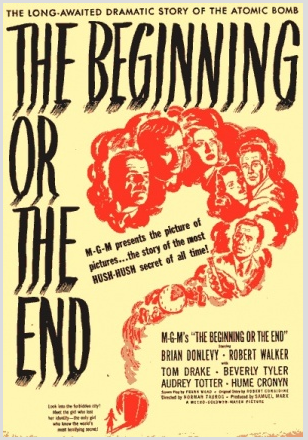
The 1947 MGM film The Beginning or the End deserves special review, however, as the film emerged, after many revisions, as a Hollywood version of America’s official nuclear narrative: The bomb was absolutely necessary to end the war and save American lives, and we needed to build new and bigger weapons to protect us from the Soviets. And so the nuclear arms race began.
My fascination with the making and unmaking of the MGM film took me to the Truman Library, where I was the first to consult key documents. The story of the derailing of the movie, Truman and why it was important is told in my new book, just out this week, Hollywood Bomb: Harry S. Truman and the Unmaking of ‘The Most Important Movie’ Ever Made.
Several weeks after the Hiroshima attack, Sam Marx, a producer at MGM, received a call from agent Tony Owen, who said his wife, actress Donna Reed, had received some fascinating letters from her high school chemistry teacher, Dr. Edward Tomkins—who was now at the Oak Ridge nuclear site. Tomkins expressed surprise that Hollywood did not already have an atomic bomb feature in the works, and wondered if the film industry wanted to warn the people of the world about the coming dangers of a nuclear arms race.
Soon, MGM boss Louis B. Mayer gave the film a go, calling it “the most important story” he would ever film. President Truman provided the title himself. Marx and others from MGM met with the atomic scientists at Oak Ridge and elsewhere.
Early scripts, I discovered, raised doubts about the Hiroshima decision and portrayed the effects of the atomic bombing in a way that would have shocked many viewers, with Hiroshima pictured as ghostlike ruins and a baby with a burned face. The overall political message was alarmist and aligned with pro-disarmament scientists: It would have been better to lose half a million American lives “than release atomic energy in the world.”
Then something happened, and the sensibility of The Beginning or the End shifted radically. The decision to use the bomb, in revised scripts, was viewed as justifiable, even admirable. Now, after the bombings, no victims appeared, just a burning landscape observed from the air. Amazingly, General Leslie Groves, the director of the Manhattan Project, had secured the right of script approval—along with a hefty $10,000 fee—and played a vital part in reshaping the film. (See the trailer here.)
MGM hired Norman Taurog to direct the film and Hume Cronyn to star as Robert Oppenheimer.
Everyone from famed columnist Bob Considine to author Ayn Rand were involved with early scripts. Nearly all of the scientists impersonated in the film signed releases, even Albert Einstein, but unlike Groves and President Truman, were not given script approval. Oppenheimer visited the set after being assured that his character, the film’s narrator, would display “humility” and “a love of mankind.” The Hollywoodization of the bomb had begun...
After a screening of the completed film for Washington journalists and White House officials in October 1946, famed columnist
Walter Lippmann said he still found one scene “shocking.” President Truman felt uncomfortable with it as well. It pictured Truman making the decision to use the bomb, and the president and his aides objected to his deciding, after only a brief reflection, that the United States would use the weapon against Japan because “I think more of our American boys than I do of all our enemies.” This was actually true, of course...
http://www.thenation.com/blog/174057/wh ... -ever-made#