Saurian Tail » Tue May 10, 2016 3:03 pm wrote:brekin » Tue May 10, 2016 2:02 pm wrote:... don't you think the general run of people should be safe in assuming that photos of astronomical objects from a scientific body being released to the general public, are by default, being presented in the vision spectrum native to human beings?
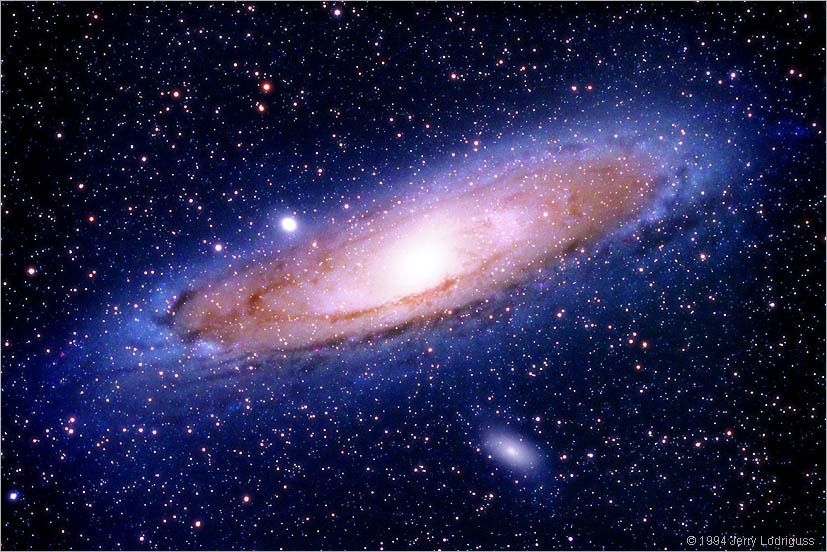
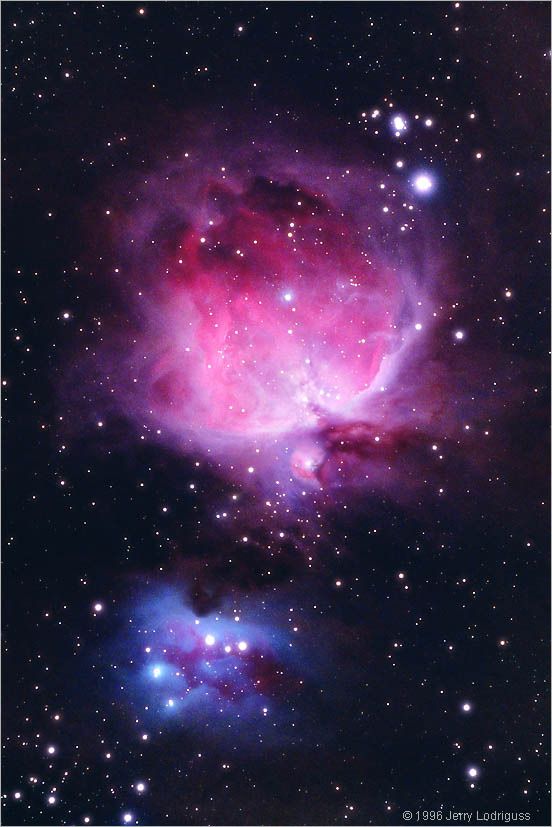
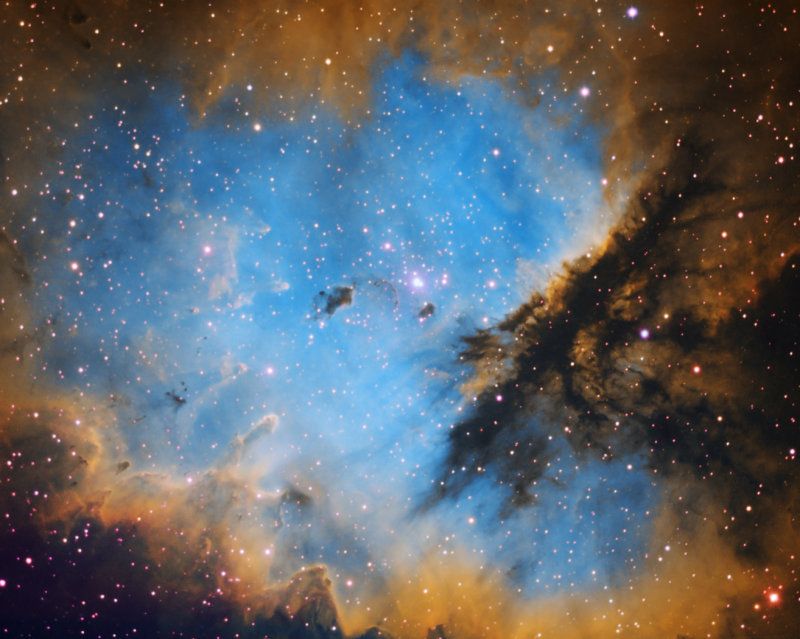
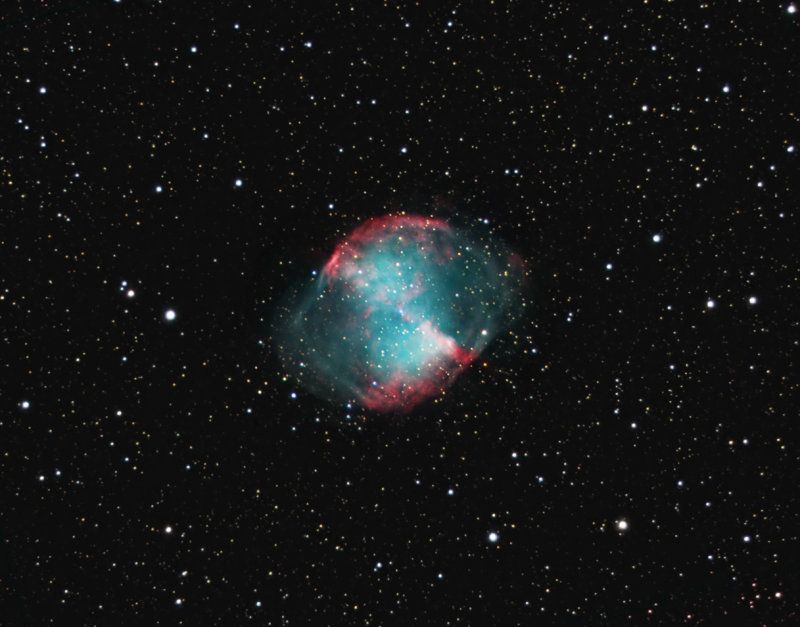
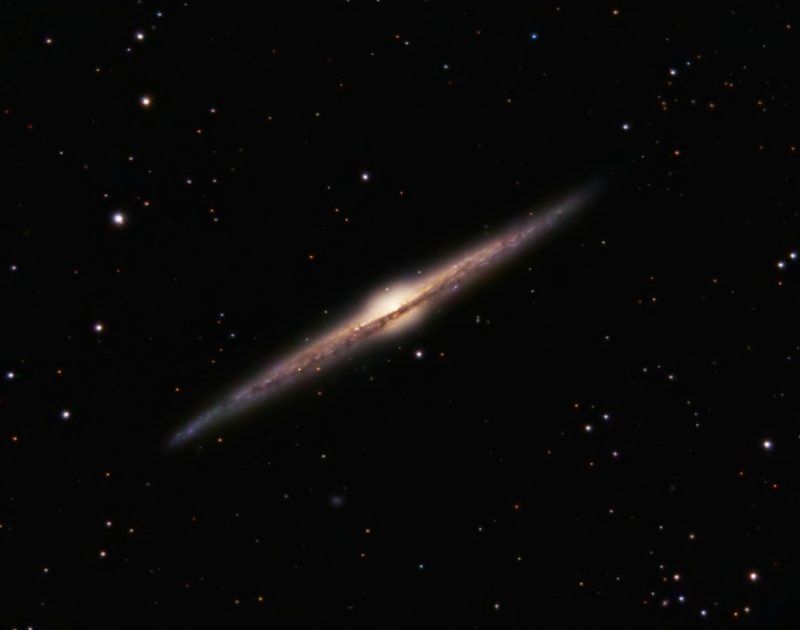
No. The whole purpose of a telescope is to show more than is visible to the human eye. Below are some digital photos from my local astronomy club taken with an 11" telescope. As you can see, the difference between this amateur equipment and NASA is a matter of having access to better equipment. There is no fundamental difference in the taking and processing of the images.
Whatever, have you read any of the above articles? The purpose of a telescope is to show distant images nearer, and that is how it has been for centuries. It is great that we have technology that can pick up and now image, make visible, radio waves, infrared, ultraviolet, etc but what your digital camera does automatically (by default! unless you've fiddled with the settings) is capture and present the image as accurately, in general, in true color, not false color. NASA does that manually, capturing images in different spectrums and then creating a composite later, more or less into true or false color based on varying criteria (some of it obviously for scientific research but for the public consumption some of it seemingly squishy and dubious). I doubt your local astronomy club does by hand what NASA does above?
Instead of a distant star, lets say your local astronomy club decided to get some stills of me across town. The crew rolls up in all its glory, runs up to one of your parents attics to operate your Hubble Jr., You zoom in on me and get a nice montage of me in all my sweat drenched pasty glory as I am P90X'ing. Now by default, in true color, say I'm tipping into the Boo Radley pigmentation range. But that isn't really showing the deep non existent crevices of my abs, so someone says lets capture some in infrared, and you get some of me in infrared that tease out a wee bit those elusive deep caverns of ripped abs, but also has thrown me into the George Hamilton tan pigmentation range.
Now I get for the purpose of detailing my abs you'd want to go with the more infrared one, say if you wanted to land a probe in there. But to show someone who has never seen me before, as accurately as a human would see me, which one would you say is more accurately a representative of me? Do you think they would be a wee bit surprised if when they run into me in the future I don't have the tone of oiled corinthian leather skin but more albino dolphin belly? And why stop there, what if the image of me that is a combination of thermal imaging, ultraviolet, blue light, etc is "true" with no "detail added" but the normally invisible streamers give me a cool Dr. Strange aura that would sell more calendars is the one you decide to show?
 Why does everyone want to see my abs?
Edited to Add: Looking at your site is actually very educational and is helpful to me, at least, to see some of the processing other people do and the software they use. I'm still not completely convinced that NASA isn't leaning towards prettiest in show for public released photos though, but I'd be interested to see other before and after processing examples from others so thanks for the examples.
If I knew all mysteries and all knowledge, and have not charity, I am nothing. St. Paul
I hang onto my prejudices, they are the testicles of my mind. Eric Hoffer